
A cold storage and delivery system is more than a refrigerated room and a truck. It is the operational link between product quality and delivery performance for seafood producers, farms, food processors, supermarkets, catering suppliers, pharmaceutical distributors, and cold-chain operators. If storage temperature is unstable, delivery cannot correct the damage. Likewise, the value of a well-designed cold room is reduced when products remain too long in a warm loading area or when dispatch procedures repeatedly expose them to ambient air.
At Focusun, cold-chain design starts with the product and the workflow: how goods arrive, their initial temperature, the required target temperature, holding time, door-opening frequency, loading pattern, and daily delivery schedule. A vegetable supplier, a seafood exporter, a meat processor, and a vaccine distribution point require different system configurations. These variables determine temperature zoning, insulation, refrigeration capacity, airflow, controls, and the movement of products through the facility.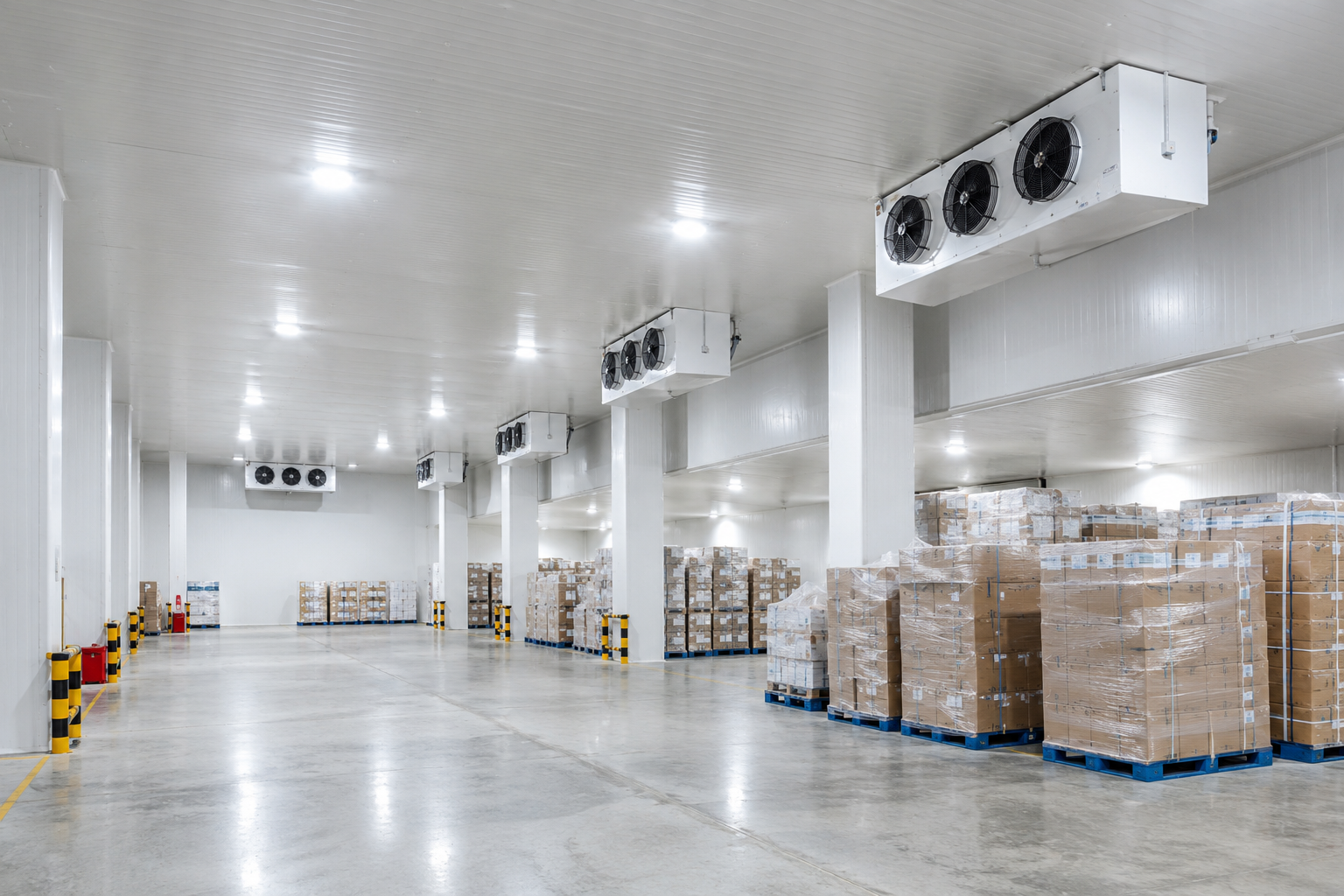
A cold storage and delivery system is a coordinated process that keeps temperature-sensitive goods within defined limits during receiving, cooling, storage, sorting, order picking, staging, loading, and distribution. The objective is to control both temperature and exposure time throughout the entire operating cycle.
A complete system may include:
For permanent facilities, the cold room can be designed as part of a factory, warehouse, farm, supermarket, hotel, or central kitchen. For fast deployment or relocation, a containerized cold room can provide a preassembled storage hub near farms, ports, processing plants, markets, or distribution centers.
Room dimensions alone are not enough to size a cold-storage system. The refrigeration load is affected by the product entering the room, its starting temperature, the required pull-down time, the amount loaded per day, the frequency of door openings, ambient conditions, packaging, staff movement, and the duration of storage.
Before selecting equipment, define the following variables:
A practical design follows the real operating day. It should show where goods are received, inspected, precooled, stored, picked, staged, loaded, and dispatched. This approach prevents bottlenecks that may not appear in a basic room-size quotation.
Temperature is not a universal setting. It is a product-specific requirement that must be considered together with airflow, humidity, packaging, storage time, and handling frequency.
Fresh produce often requires stable chilled conditions, suitable airflow, and humidity management to reduce respiration, dehydration, and quality loss. Depending on the commodity, many applications operate in a chilled range rather than a frozen range. Focusun provides cold storage for fruits and vegetables that can be configured around product type, storage period, room loading, and site conditions.
When field heat or process heat must be removed rapidly before packing, a vacuum cooler may be used before the product enters the cold room. This is particularly relevant to leafy vegetables, mushrooms, herbs, flowers, bakery products, and selected prepared foods.
Meat and seafood projects commonly require chilled holding, frozen storage, or rapid freezing. The system must manage warm-product loading, frequent batch movement, strict hygiene, and stable low-temperature operation. Focusun offers cold storage for meat and seafood for application-specific temperature and capacity requirements.
Where rapid product pull-down is necessary, a blast freezer can reduce freezing time before long-term frozen storage. Cold-room capacity should be sized for both stored volume and the heat introduced by incoming product.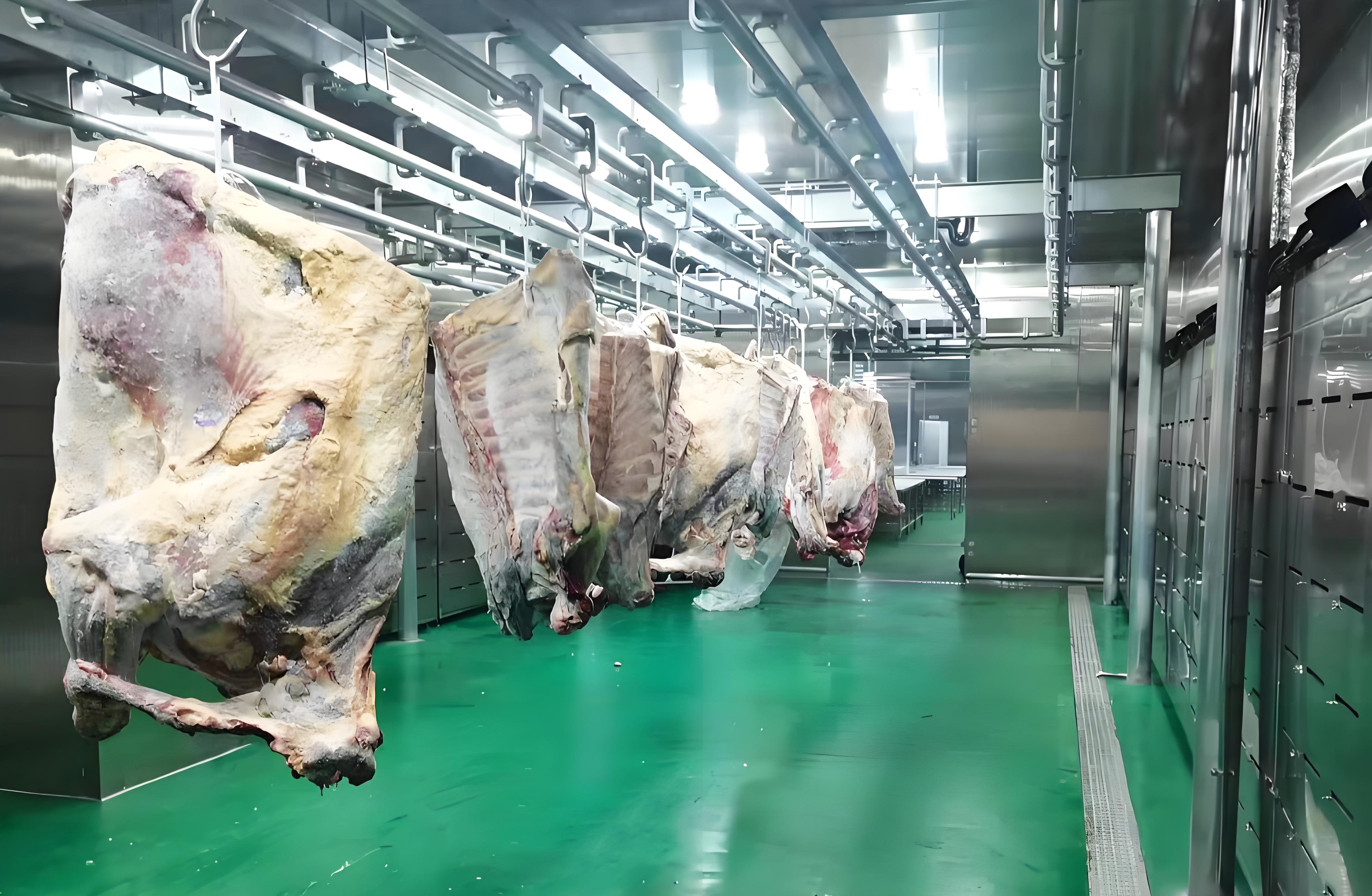
These applications may combine ingredient storage, process cooling, finished-goods holding, and outbound dispatch. A stable cold room can be integrated with vacuum cooling, blast freezing, ice systems, or an industrial water chiller when the production process requires chilled water or controlled circulation.
Medical and chemical applications may require tighter control, segregated zones, alarms, data logging, backup power, and documented operating procedures. The system design should be based on the applicable product and compliance requirements. Focusun provides application-oriented chemical and medical cooling solutions for projects that need controlled refrigeration or process cooling.
Specifications that are sometimes overlooked during quotation can determine the long-term performance of a cold room. Panel thickness, insulation density, surface material, floor insulation, door seals, evaporator position, aisle width, drainage, lighting, and controller accuracy all influence energy use, temperature stability, maintenance, and daily productivity.
Cold air must circulate through the room without creating dead zones or directly freezing sensitive products near the evaporator. Pallets and cartons should be arranged with sufficient clearance around air outlets, walls, and ceilings. Overloading or blocking airflow can produce uneven temperatures even when the refrigeration unit is operating correctly.
Every door opening introduces warm, humid air. Frequent opening can increase compressor load, create condensation or frost, and destabilize product temperature. Door dimensions, closing speed, sealing condition, strip curtains, and staff procedures should therefore be evaluated as part of the refrigeration design.
The floor must support the intended racks, pallets, forklifts, and cleaning procedures. Frozen rooms may require insulated floors and measures to prevent frost heave. Drainage should remove wash water and defrost water without creating standing water, hygiene risks, or ice accumulation.
Temperature records are useful only when they are reviewed and acted upon. A suitable system may include high- and low-temperature alarms, door-open alarms, sensor calibration, data logging, remote monitoring, and maintenance alerts. Critical sites may also require redundant controls and backup power.
Many cold-chain failures begin before the vehicle leaves the site. Products may wait in warm receiving areas, orders may be picked without temperature priority, or trucks and products may arrive at the loading zone at different times. These gaps increase exposure and reduce the effectiveness of the cold room.
A practical cold-logistics flow is:
High-turnover operations may benefit from a cooled loading zone or anteroom. Rapid-closing doors, strip curtains, pallet planning, and synchronized dispatch schedules reduce warm-air exchange. The cold room should be sized not only for storage capacity, but also for movement, aisle access, picking speed, and staging volume.
Fixed cold rooms are suitable for factories, farms, supermarkets, hotels, central kitchens, and distribution warehouses with a stable operating site. They offer flexible dimensions, multiple temperature zones, and integration with processing, packing, and warehouse layouts. They are generally the preferred option when capacity is expected to expand at one location.
A containerized cold room is suitable when the project requires fast installation, relocation, seasonal operation, temporary capacity, or deployment near a farm, port, fishery site, market, or remote logistics hub. Equipment can be preinstalled in an ISO container to reduce on-site construction and commissioning work.
A solar-powered cold room may be appropriate where grid power is unavailable, unstable, or expensive. The design must consider solar resources, refrigeration load, battery capacity, nighttime operation, cloudy-day autonomy, control strategy, and backup power. In many projects, a generator or grid connection is retained as a secondary source to protect high-value products and continuous operations.
|
Configuration |
Best suited to |
Main advantage |
Key design check |
|
Fixed cold room |
Permanent facilities with regular throughput |
Flexible layout and scalable capacity |
Civil works, utilities, workflow, and future expansion |
|
Containerized cold room |
Remote, temporary, seasonal, or rapidly deployed projects |
Preassembled and relocatable |
Access, transport, ventilation, and site preparation |
|
Solar-powered cold room |
Off-grid or unstable-grid locations |
Reduced dependence on grid electricity |
Solar yield, battery autonomy, backup power, and load profile |
The main objectives are to remove field heat, reduce post-harvest losses, extend marketable life, and maintain quality before transport. Depending on the crop, the system may combine vacuum cooling, chilled storage, humidity management, sorting, and controlled loading.
Seafood quality depends on the coordination of ice production, chilling, cold storage, hygiene, and dispatch timing. Focusun’s fishery solutions can integrate ice machines, ice handling, chilled water, cold rooms, and related equipment around the actual preservation workflow.
The system may support raw-material storage, rapid cooling, production buffering, finished-goods storage, and outbound distribution. Focusun’s food-processing refrigeration solutions include cold rooms, vacuum coolers, blast freezers, water chillers, and ice systems that can be combined according to production requirements.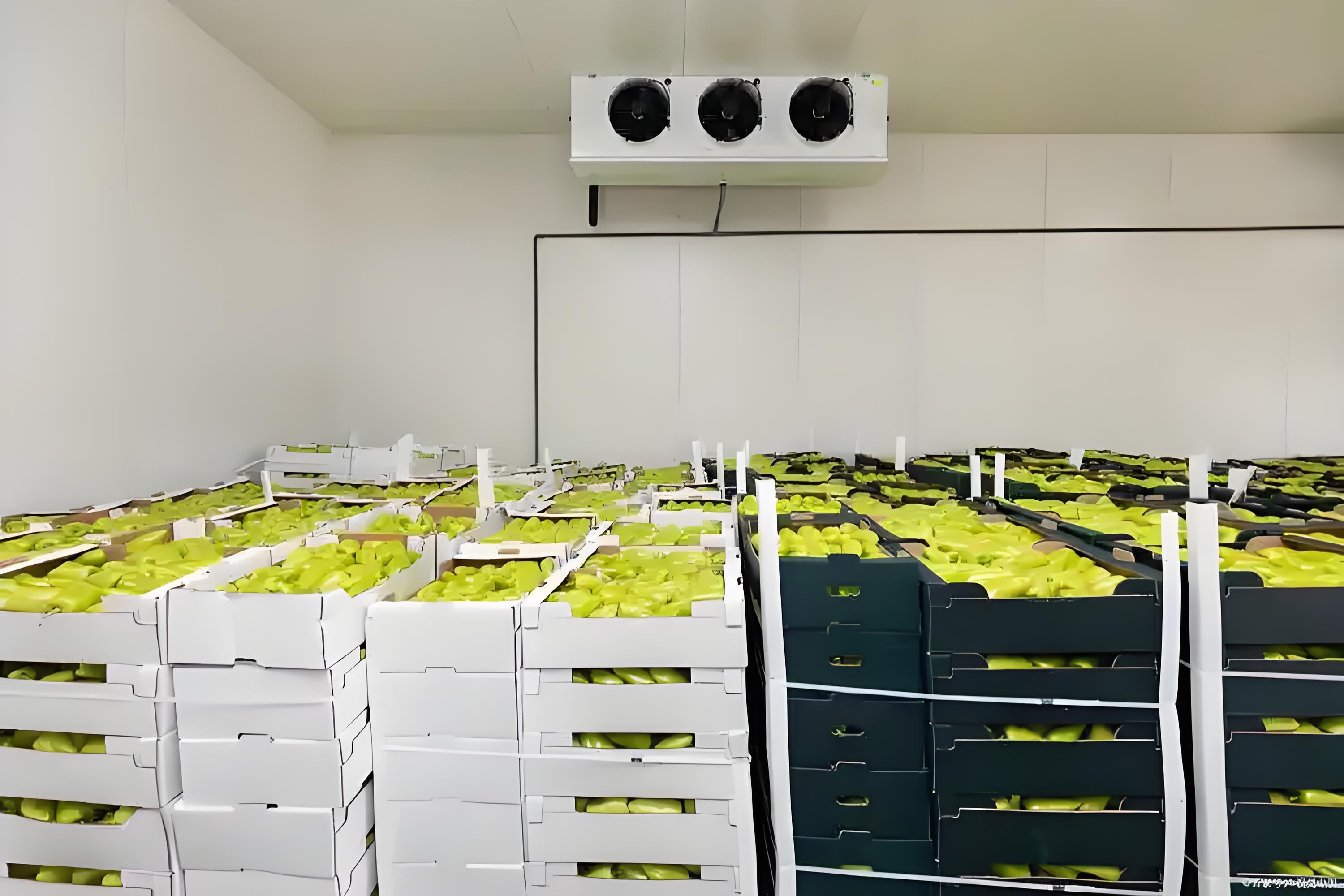
Supermarkets, hotels, restaurants, catering companies, and central kitchens require reliable storage for produce, dairy, beverages, meat, seafood, frozen products, and prepared food. The design should account for frequent door openings, mixed inventory, hygiene, staff access, and peak receiving or dispatch periods.
Medicines, vaccines, laboratory materials, and selected chemical products may require defined storage ranges, continuous monitoring, alarms, controlled access, and validated procedures. Equipment selection must follow the applicable product specifications and regulatory requirements.
Before requesting a quotation, prepare a clear operating brief. A supplier can only size the system accurately when the product, load, workflow, site, and power conditions are known.
These variables determine refrigeration capacity, insulation specification, evaporator selection, room layout, control strategy, and whether a fixed, containerized, or solar-powered system is the most suitable configuration.
A cold-storage system can look strong on paper and still perform poorly if it does not match the daily workflow. A practical design reduces unnecessary handling, shortens door-opening time, improves picking speed, maintains product quality, and makes operating procedures easier for staff to follow.
The design should therefore be evaluated as one connected process rather than as separate equipment purchases. Receiving, rapid cooling, chilled or frozen storage, order preparation, loading, transport, monitoring, and backup power must be coordinated around the same product and delivery schedule.
Focusun manufactures and supplies cold rooms, containerized cold rooms, solar-powered cold rooms, vacuum coolers, blast freezers, industrial water chillers, ice machines, and integrated refrigeration systems. To discuss a project, provide the product type, target temperature, capacity, site conditions, power supply, and delivery workflow through the Focusun contact page.
It is a coordinated system that controls temperature-sensitive goods during receiving, cooling, storage, picking, staging, loading, and distribution. It usually includes a cold room, refrigeration equipment, insulation, controls, doors, storage fixtures, monitoring, and an organized loading workflow.
Cost depends on room size, temperature range, product load, insulation, refrigeration capacity, site conditions, control requirements, monitoring, backup power, and loading-zone design. A chilled room with basic controls generally requires less refrigeration capacity than a deep-freezing system with rapid pull-down, redundancy, and custom staging areas.
The correct temperature depends on the product, storage period, packaging, and applicable safety or quality requirements. Fresh produce commonly uses chilled storage, while frozen meat and seafood require lower temperatures. Medicines, dairy products, prepared food, and specialty materials may require narrower or validated ranges.
Yes. A containerized cold room is useful for mobile, seasonal, remote, temporary, or fast-deployment projects. It can be positioned near farms, ports, processing sites, markets, or distribution centers to provide controlled storage before refrigerated transport.
Yes, when it is properly sized for the refrigeration load and local solar conditions. A complete solar cold-room system may include photovoltaic panels, batteries, energy controls, and optional generator or grid backup. Battery autonomy and backup planning are especially important for nighttime operation, cloudy weather, and high-value products.
Common examples include fresh produce, seafood, meat, dairy products, frozen food, bakery ingredients, prepared meals, flowers, medicines, vaccines, and selected chemical products. The determining factor is whether temperature variation affects product quality, shelf life, process stability, or safety.
Choose chilled storage for products that must remain cold without freezing, such as many fresh fruits, vegetables, dairy products, beverages, and prepared foods. Choose frozen storage when the product must remain below its freezing point for preservation, such as frozen meat, seafood, ice cream, and other long-term frozen goods.
Common causes include frequent or prolonged door opening, warm products entering the room, poor staging before loading, blocked airflow, overloaded storage, damaged insulation or door seals, incorrect system sizing, inadequate maintenance, and unsynchronized dispatch procedures.
Backup power should be considered when product value is high, grid power is unstable, or the system must operate continuously. It is especially relevant to medical storage, frozen seafood or meat, remote cold-chain projects, and solar-powered systems that require additional protection during prolonged low-sunlight periods.
Provide the product type, storage temperature, incoming temperature, daily load, room dimensions or required capacity, storage duration, site ambient conditions, power supply, loading frequency, monitoring needs, and expected expansion. These details allow Focusun to configure an appropriate cold-storage solution rather than a generic room-size quotation.
